

The art of longing and waiting for the things that haven't found you
I yearn deeply, and I wait anyway
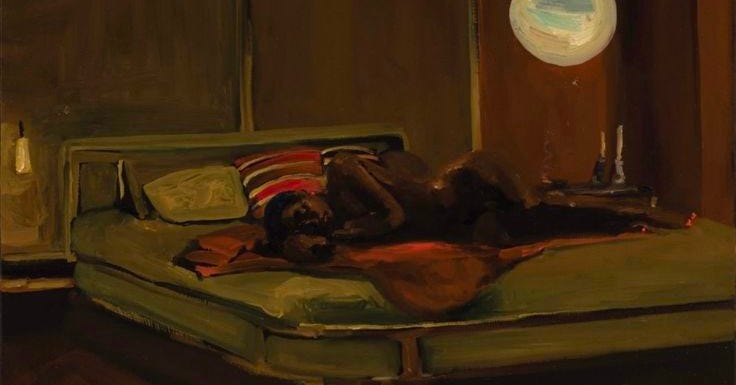
Artist Danielle McKinney
Sitting on the floor, clearing off my bookshelf, I found myself rereading my notes, old journals, and notebooks. In them I’d written so much about my desires, not just for partnership, but for belonging, for purpose, for things unseen but close enough to touch. I wrote of cities, people, accomplishments, goals – some that came to be. Others that have gone unmarked year after year, entry after entry.
Something in me felt ashamed of that.
Ashamed that I still wanted the same things in 2026 that I did in 2019. Ashamed that over time, some of my longings were slipping into desperation. Ashamed that somewhere along the line, I let logic, reasoning, and the intellectualization of my emotions seep in and poison my belief in the magic of what could be.
This week, during my Bible study, I found myself in the Song of Songs. It’s a beautiful book that is often overlooked outside its application to romantic partnership. It isn’t just a set of poems from two people deeply in love with each other, longing to be together—it’s a powerful meditation on waiting. It holds the tension between yearning for what you desire and trusting that it will come at the right time.
What stuck out to me wasn’t just how adamant she is in her desire for love, but how disciplined she is in waiting for it.
Her call to not awaken love before its time sits at the heart of yearning – balancing her real, urgent, and undeniable desires with the recognition that timing matters. Circumstance matters. And desire that is forced too soon risks collapsing under its own weight.
That, to me, is the beauty of yearning. The very fact that you don’t have it and can’t get it. The ache for something that is so out of your reach yet essential to your existence. That’s what makes the feeling so powerful.
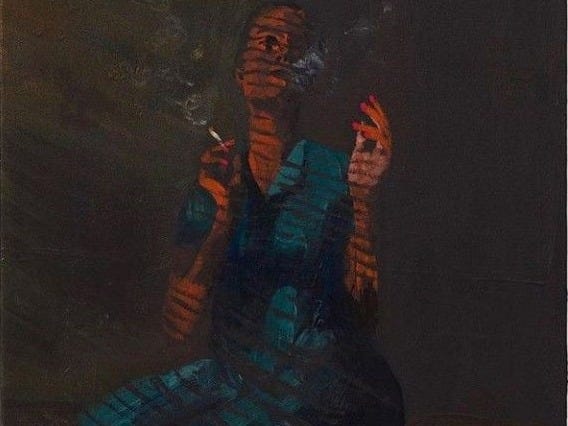
Artist Danielle McKinney
The art of yearning has almost gone out of style. In an age of instant gratification, where nearly everything is available on demand, why wait, why risk, why long, when you can get something more attainable at your fingertips? We’ve grown to prefer outcomes we can control rather than sit in the tension of wanting something that may never come.
To yearn is to open yourself up to the disappointment of the unknown. To dream and work with no guarantee. And that goes against how most of us are taught to live. Waiting for what you cannot force is an acknowledgement that not everything worth having can be controlled.
The beauty of yearning is not only in its absence but in its honesty. It forces us to confront the vulnerability we avoid admitting to ourselves. When we allow ourselves to want deeply, we uncover truths about ourselves. We see what matters most—what cuts through distraction and comfort and says, “This, I cannot stop wanting, and I don’t know who I’d be without it.”
This realization can be liberating, but it also begs a terrifying question: Does what I want want me back? It places us on the fragile edge of longing. To yearn without reciprocity is to sit in potential heartbreak. And so many of us, myself included, avoid yearning because we do not want to confront that uncertainty. We wrestle with the possibility that the doubts we have in ourselves, the ones we bury deep inside of us, may be true. Why long for intimacy, for purpose, for belonging, if it may never look back at us with equal intensity? Why risk being unanswered?
But what if it does want to hold you? To yearn is to have faith in the risk of believing that someone, something, might also be reaching back in return. That we are indeed worthy of receiving the desires placed in our hearts.
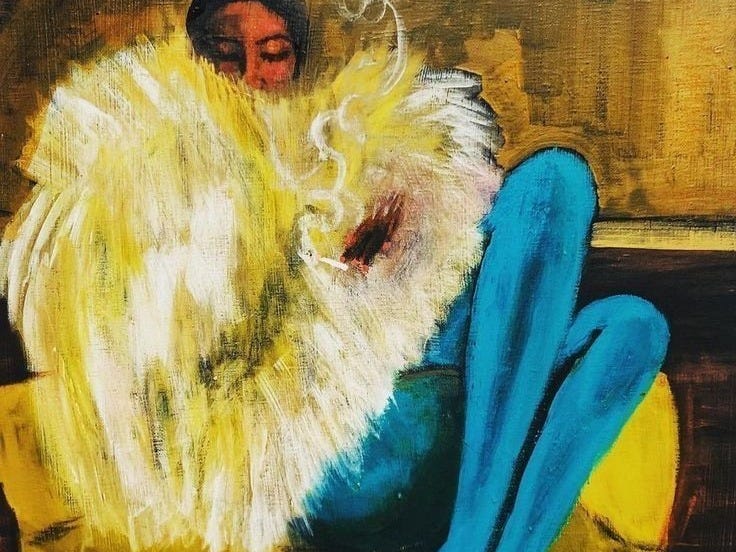
Artist Danielle McKinney
Maybe our yearnings are not accidents but alignments. A call towards our deepest desires, placed within us by God, to shape us, to draw us closer to what He intends. If so, then yearning is not just about what we want, but about trusting that what we long for also carries a divine echo—what we long for isn’t just desired, it’s designed. As I sit patiently in anticipation of what’s for me, I lean into the comfort that time waiting isn’t time wasted. The act of patience is in itself the beginning of faith. The tension between desire and fulfillment, between absence and presence, is the very thing we need to still believe in possibility.
Sitting back on the floor with my journal spread around me, I found pride in the realization that I want it. I’m going to keep wanting it. And there’s no shame in trusting that the wanting itself means something.